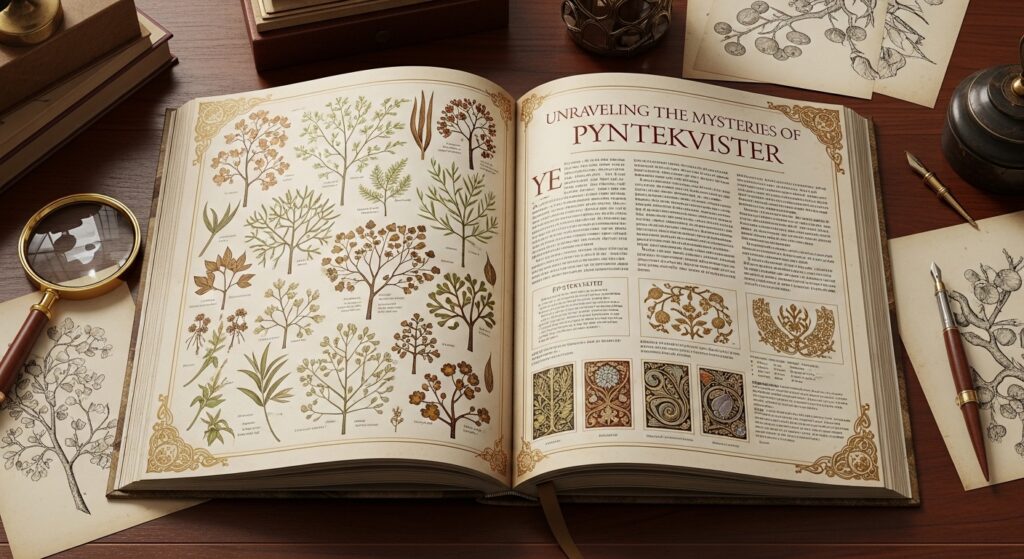
Are you ready to dive into the enchanting world of Pyntekvister? This captivating plant has been gaining popularity for its unique aesthetic and versatile uses. Whether you’re a seasoned botanist or just starting your green journey, understanding Pyntekvister can elevate your indoor garden game. From its fascinating origins to the creative ways it can enhance your home decor, there’s so much to explore. Let’s embark on this botanical adventure together and uncover everything you need to know about Pyntekvister!
The Origin and History of Pyntekvister
Pyntekvister has a rich history that dates back centuries. Its roots can be traced to remote regions, where it thrived in unique climates and ecosystems. Ancient cultures revered this plant for its beauty and resilience.
Historical records suggest that Pyntekvister was first cultivated by local tribes who understood its potential. They used the plant for various purposes, from ornamental displays to practical applications in daily life.
As trade routes expanded, so did the allure of Pyntekvister. Merchants brought it to new territories, sparking interest among botanists and garden enthusiasts alike. Over time, different varieties emerged as people adapted them to their conditions.
Today, Pyntekvister is celebrated worldwide not just for its aesthetic appeal but also for its fascinating heritage. Each leaf tells a story of adaptation and survival through changing environments and human influence over the ages.
The Different Types of Pyntekvister
Pyntekvister come in a myriad of varieties, each boasting unique characteristics. The most popular type is the Classic Pyntekvister, known for its lush green leaves and resilience. This variety thrives in various conditions, making it perfect for beginners.
Another fascinating type is the Variegated Pyntekvister. Its striking combination of cream and green foliage adds a vibrant touch to any space. Garden enthusiasts often seek this variety for its aesthetic appeal alone.
For those who love compact plants, the Miniature Pyntekvister offers a charming option. Small yet sturdy, these can easily fit on windowsills or tiny tables without sacrificing style.
There’s the Rare Blue-Leafed Pyntekvister. With its stunning deep blue hue, it stands out among traditional greens and attracts attention wherever it’s placed. Each type brings something special to your collection; choosing one truly depends on your personal taste!
How to Care for Your Pyntekvister Plant
Caring for your Pyntek vister plant is essential to keep it thriving. Start by placing it in a spot with bright, indirect sunlight. Too much direct light can scorch its leaves.
Watering should be done when the top inch of soil feels dry. Be cautious not to overwater; these plants prefer slightly moist conditions but dislike soggy roots. A well-draining potting mix will help maintain optimal moisture levels.
Humidity plays a vital role in its health. If you live in a dry climate, consider misting the leaves or placing a humidifier nearby.
Fertilize during the growing season with a balanced liquid fertilizer every four to six weeks for best results. Pruning dead or yellowing leaves encourages new growth and keeps your plant looking fresh.
Watch out for pests like spider mites or aphids that may invade your Pyntek vister, and address any infestations promptly using gentle insecticidal soap.
Common Myths and Misconceptions about Pyntekvister
Many people believe that Pyntek vister is a rare plant, hard to find and even harder to care for. In reality, it’s more accessible than you might think. Local nurseries often carry this versatile species.
Another common myth suggests that Pyntek vister requires constant sunlight. While they do thrive in bright conditions, they can adapt well to lower light environments too. This makes them suitable for various indoor settings.
Some also think these plants are toxic to pets. However, most varieties of Pyntekvister are pet-friendly and pose no danger if ingested in small amounts.
There’s the misconception that these plants need frequent watering. Overwatering can actually harm your plant more than letting it dry out occasionally. Understanding their specific needs is key to keeping them healthy and vibrant.
Creative Ways to Incorporate Pyntekvister into Your Home Decor
Pyntekvister can transform any space with their vibrant leaves and unique textures. Placing a few in decorative pots on your windowsill instantly brightens up the room.
Consider hanging Pyntekvister from macramé plant hangers. This adds an artistic flair while saving surface space. The cascading vines create a stunning visual effect that draws the eye.
For those who love DIY projects, try creating a living wall using Pyntekvister cuttings. Mount them in shadow boxes or old frames to make botanical art pieces that breathe life into your walls.
If you’re aiming for minimalism, opt for single-stem arrangements in sleek vases. Group several vases together on shelves or coffee tables for an elegant touch without overwhelming the decor.
Don’t overlook outdoor spaces! Incorporate Pyntekvister into patio areas by mixing them with other plants to create lush greenery that enhances your garden aesthetic.
Beyond the Plant: Other Uses for Pyntekvister
Pyntek vister offers more than just aesthetic appeal for plant lovers. This versatile plant can be utilized in various unexpected ways.
One fascinating use is in culinary applications. Pyntek vister leaves can add a fresh, aromatic twist to salads and other dishes, enhancing their flavor profile.
Craft enthusiasts also find joy in the vibrant colors of Pyntek vister foliage. Dried leaves make for unique additions to homemade potpourri or decorative wreaths, bringing a touch of nature indoors.
Moreover, some cultures utilize Pyntek vister for its purported medicinal properties. Infusions made from its leaves are believed by some to promote wellness and relaxation.
Consider using Pyntekvister as a natural air purifier. Its ability to filter indoor pollutants makes it not only an attractive choice but also a functional one for improving home environments.
Conclusion
Pyntekvister is more than just a plant; it’s a treasure trove of history, versatility, and beauty. From its intriguing origins to the various types available today, there’s so much to explore. Proper care can ensure your Pyntekvister thrives while dispelling common myths can deepen your appreciation for this unique botanical wonder.
Incorporating Pyntekvister into your home decor opens up endless creative possibilities, whether through striking arrangements or subtle accents that speak volumes. Beyond their aesthetic appeal, the practical uses for Pyntekvister further highlight their significance in our lives.
As you discover more about this fascinating plant and integrate it into your space, you’ll find that it enriches both your environment and understanding of nature’s diversity. Embracing Pyntekvister means embracing a piece of living art that invites curiosity and admiration every day.