Uncuymaza is more than just a tradition—it’s a vibrant tapestry woven from the threads of history, culture, and community. This unique practice has captivated the hearts and minds of many, offering a glimpse into its rich past and significant role in contemporary society. As we dive deeper into this intriguing custom, we’ll uncover its origins, explore its cultural importance, and understand how it continues to resonate with people today. Whether you’re familiar with Uncuymaza or hearing about it for the first time, get ready for an enlightening journey that celebrates this remarkable tradition!
Historical Roots and Origins of Uncuymaza
Uncuymaza traces its origins back to the ancient Andean cultures. This vibrant tradition emerged as a way for communities to celebrate agricultural cycles and honor their deities.
The word itself is derived from local dialects, reflecting deep connections between people and the land. Rituals associated with Uncuymaza often coincide with harvest seasons, symbolizing gratitude for bountiful crops.
Historical records suggest that these practices date back several centuries, intertwining indigenous beliefs with evolving cultural influences over time. As families gathered to participate in festivities, they strengthened community bonds while passing down storytelling traditions.
Artifacts and archaeological findings have provided insights into how ancient civilizations practiced Uncuymaza, showcasing elaborate ceremonies filled with music and dance. Each element holds meaning, representing not just celebration but also resilience against changing times.
Significance and Cultural Importance of Uncuymaza
Uncuymaza holds a profound place in the cultural fabric of its community. It embodies not just tradition but also identity and belonging. This unique ceremony is a vibrant expression of heritage, passed down through generations.
The act itself serves as a reminder of ancestral wisdom and communal ties. Participants engage with rituals that connect them to their past, fostering solidarity among all involved. Each gesture during the celebration carries meaning, reinforcing values such as respect for nature, family bonds, and social responsibility.
Moreover, Uncuymaza acts as an educational platform for younger generations. By witnessing and participating in these customs, children learn about their roots and the importance of preserving them. The tradition strengthens cultural pride while encouraging mindfulness towards one’s heritage in an increasingly globalized world.
The Celebration of Uncuymaza in Modern Times
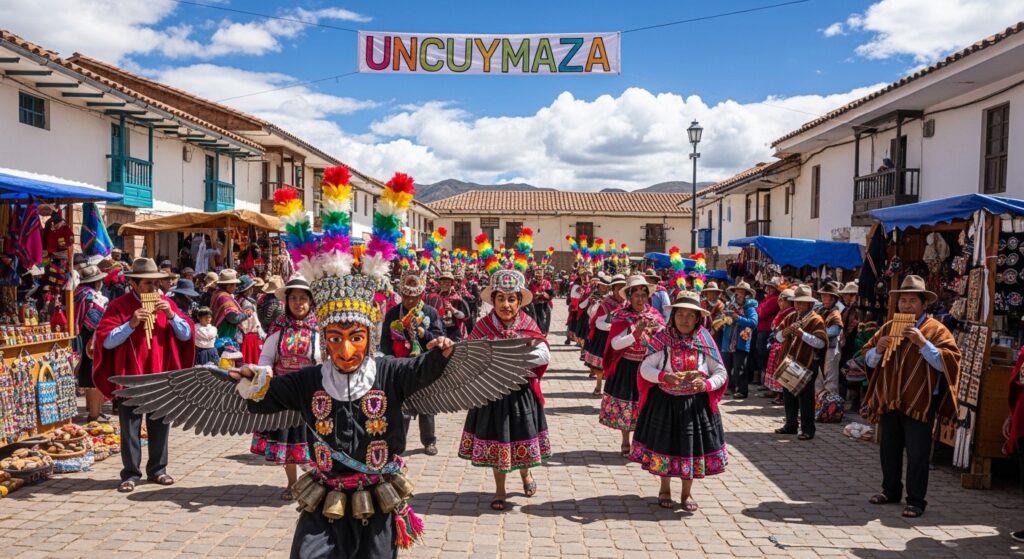
Today, Uncuymaza has evolved into a vibrant celebration that attracts locals and tourists alike. Each year, communities gather to honor this rich tradition with lively festivities.
Colorful parades fill the streets, showcasing traditional costumes that reflect the heritage of those who partake in the event. Music fills the air as local bands play folk tunes unique to this occasion.
Culinary delights are another highlight of Uncuymaza. Street vendors offer an array of traditional dishes that have been passed down through generations. The aroma wafting through the crowd creates a welcoming atmosphere for everyone involved.
Workshops and educational events have emerged during these celebrations too, aiming to teach younger generations about their cultural roots. This blend of festivity and learning ensures that Uncuymaza remains relevant in today’s fast-paced world while maintaining its essential significance.
Variations and Similar Traditions Around the World
Uncuymaza resonates with various traditions globally, each enriched by local customs and histories. In the Andes, for instance, similar rituals celebrate agricultural cycles and community bonds. They share themes of gratitude and renewal.
Across Asia, festivals such as Diwali in India reflect a spirit akin to Uncuymaza. Both involve vibrant celebrations that honor deities while uniting communities through feasting and dancing.
In Africa, unique harvest festivals highlight the importance of crops and communal effort. These events showcase music, art, and shared stories that echo the essence of Uncuymaza’s cultural significance.
Each tradition tells a story rooted in place but linked by universal values of love for land and people. This fabric weaves together diverse cultures under a common thread—celebration through unity.
Controversies Surrounding Uncuymaza
Uncuymaza, while celebrated for its rich cultural heritage, is not without controversy. Some critics argue that the tradition has evolved into a spectacle rather than a genuine expression of community values. This shift raises questions about authenticity and intent.
Additionally, concerns have been raised regarding the ethical implications of certain practices involved in Uncuymaza. The fine line between celebration and exploitation can often blur, leading to debates among purists and modern practitioners alike.
The commercialization of Uncuymaza also stirs discontent among traditionalists who fear losing its essence. As tourism increases, local customs may be diluted to cater to outsiders’ expectations.
Moreover, differing interpretations within communities sometimes lead to tensions over how best to honor this age-old practice. These discussions highlight the complexities surrounding Uncuymaza today and reveal deeper societal dynamics at play.
Ways to Preserve and Honor the Tradition
One effective way to preserve Uncuymaza is through community workshops. Local artists and cultural enthusiasts can come together to teach the next generation about its significance. This hands-on approach fosters appreciation.
Incorporating Uncuymaza into school curriculums also plays a vital role. By educating young minds, students can learn about their heritage while developing respect for diverse traditions.
Social media platforms provide another avenue for advocacy. Sharing stories, videos, and images of Uncuymaza celebrations can reach a global audience. It encourages dialogue and interest in this unique tradition.
Hosting annual festivals dedicated to Uncuymaza allows communities to celebrate collectively. These gatherings not only strengthen bonds but also attract visitors eager to experience local culture firsthand.
Collaborations with artists from other cultures could infuse fresh perspectives while respecting the essence of Uncuymaza, ensuring its relevance in contemporary society without losing its roots.
Conclusion
The tradition of uncuymaza is a fascinating blend of history, culture, and community. It serves as a reminder of the rich heritage that shapes identities across generations. As we explore its historical roots and cultural significance, it becomes clear that traditions like uncuymaza play an essential role in fostering social bonds.
In modern times, while some aspects may evolve or change, the core values remain. Celebrations continue to bring people together, creating shared memories and experiences that resonate deeply within communities.
Acknowledging variations around the world enriches our understanding of this practice. Many cultures have similar rituals that serve comparable purposes—whether for connection to ancestors or communal celebration.
Yet, discussions surrounding controversies highlight the importance of respecting traditions while adapting them thoughtfully to contemporary contexts. Preserving practices like uncuymaza requires collective effort and commitment from both custodians and participants alike.
As we look towards the future, honoring such vibrant traditions ensures they remain alive for generations to come. Embracing these customs not only celebrates diversity but also strengthens our global tapestry woven through shared experiences.