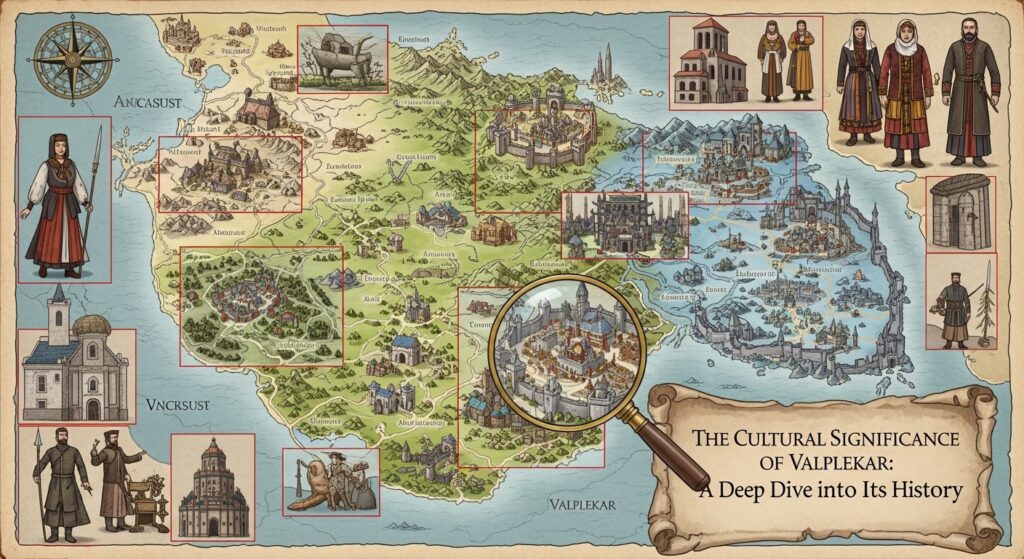
Valplekar is not just a word; it’s a rich tapestry woven into the cultural fabric of many communities. With roots that extend deep into tradition, it embodies stories, beliefs, and practices that have been passed down through generations. As we embark on this exploration of Valplekar’s significance, we’ll uncover its origins, celebrate its role in festivities, and examine how it has adapted to modern life. Join us on this journey as we dive deep into the heart of Valplekar and discover what makes it so special to those who cherish it.
The Origin and Evolution of Valplekar
Valplekar has roots that date back centuries. Its origins can be traced to ancient rituals, where it was used as a medium for storytelling and cultural expression. Communities gathered around Valplekar, sharing tales passed through generations.
As time progressed, the significance of Valplekar evolved. It transitioned from a simple form of entertainment to an integral aspect of social gatherings. The vibrant stories woven into its fabric began reflecting contemporary issues, blending tradition with modernity.
Regional variations emerged, too. Different communities added their unique touches, enriching the overall narrative tapestry of Valplekar. These adaptations not only preserved its essence but also allowed it to resonate with newer audiences.
Today, Valplekar stands as a symbol of resilience and creativity—a testament to how culture can adapt while remaining rooted in history. This evolution highlights the dynamic nature of traditions in our ever-changing world.
The Role of Valplekar in Traditional Celebrations
Valplekar holds a special place in the heart of traditional celebrations. This vibrant aspect of cultural heritage brings communities together in joyous gatherings.
During festivals, Valplekar is often showcased through elaborate performances and rituals. Dancers don beautiful attire, embodying the spirit of festivity. These performances are not just entertainment; they relay stories passed down through generations.
The music accompanying Valplekar enhances its significance. Traditional instruments resonate with rhythms that evoke nostalgia and connection among attendees. Each beat carries a piece of history, grounding participants in their roots.
Food also plays an integral role during these celebrations. Special dishes prepared for the occasion complement the atmosphere, creating a sensory experience that unites people around shared traditions.
In essence, Valplekar enriches festivities by fostering community ties and honoring ancestral practices. Its presence transforms ordinary moments into cherished memories filled with meaning and joy.
Valplekar in Modern Times: Changing Traditions and Practices
In contemporary society, valplekar has begun to shift in form and function. While traditional practices remain vibrant, younger generations are reinterpreting these customs.
The influence of globalization is evident. New technologies and social media platforms have played a significant role in how people engage with valplekar traditions. Families often share their celebrations online, showcasing unique interpretations that blend old customs with modern flair.
Younger participants might incorporate new music styles or fashion into the festivities, creating a fusion of past and present. This evolution reflects not just personal expression but also an adaptive cultural identity.
Moreover, local communities are striving to balance innovation with preservation. Workshops and events promote awareness about traditional techniques while inviting fresh ideas for celebration methods.
There’s a sense of ownership among participants as they redefine what valplekar means to them today; it’s becoming more than just tradition—it’s an evolving narrative shared across generations.
Controversies Surrounding Valplekar
Valplekar, while celebrated for its rich traditions, has not been without controversy. Some critics argue that certain aspects have become commercialized. This shift raises questions about the authenticity of practices.
Additionally, cultural appropriation is a significant concern. Outsiders often adopt elements of Valplekar without understanding or respecting their origins. This can dilute the significance and meaning behind these traditions.
Debates also arise regarding generational differences in how Valplekar is perceived. Younger generations may favor modernization over traditional practices, leading to friction with more conservative community members who prioritize heritage preservation.
These controversies reveal deeper tensions within communities about identity and belonging. As society evolves, so does the conversation surrounding what it means to honor tradition while embracing change in Valplekar’s vibrant tapestry.
Preserving the Cultural Heritage of Valplekar
Preserving the cultural heritage of Valplekar is essential for maintaining its unique identity. Communities play a vital role in this effort, engaging actively to educate younger generations about their traditions and history.
Workshops that teach traditional crafts associated with Valplekar are gaining popularity. These hands-on experiences foster a deeper understanding and appreciation of the intricate skills required.
Local festivals serve as platforms for showcasing Valplekar’s rich customs. They invite participation from not just locals but also tourists who wish to immerse themselves in authentic experiences.
Documentation of oral histories is another crucial aspect. By recording stories passed down through generations, communities can keep the spirit of Valplekar alive for future audiences.
Collaborations between local artisans and cultural organizations help amplify awareness. This synergy encourages more people to explore and support these age-old practices, ensuring they endure amidst modern changes.
Conclusion
Valplekar holds a unique place in the tapestry of cultural traditions. Its rich history reveals how this cherished practice has adapted over centuries, reflecting both societal changes and enduring values. From its origins to its role in modern festivities, Valplekar serves as a vibrant link between generations.
Traditional celebrations featuring Valplekar highlight community bonds and shared heritage. As times change, so too do the ways people engage with this tradition. While some may debate aspects of its evolution, it remains a focal point for discussions on culture and identity.
The challenges facing Valplekar today underscore the importance of preserving such customs. Efforts to maintain this cultural legacy are crucial for future generations who will inherit these stories and practices.
As we look ahead, it’s vital to recognize the significance that Valplekar continues to hold within communities. The threads of history woven into each celebration remind us not only where we came from but also how we can shape our collective future while honoring those who walked before us.