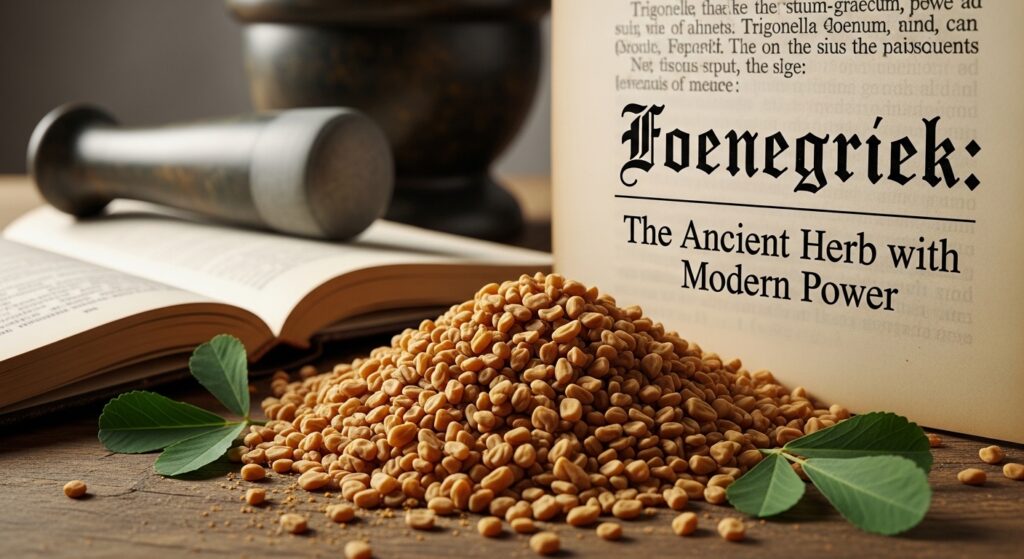
Foenegriek, known in English as fenugreek, is a time-honored herb that has been valued for thousands of years. From culinary traditions to herbal medicine, foenegriek has played a significant role in cultures across Asia, the Middle East, and Europe. Its unique flavor, impressive nutritional profile, and traditional healing uses make it one of the most versatile plants in natural health.
Scientifically referred to as Trigonella foenum-graecum, foenegriek belongs to the legume family. Its seeds and leaves are widely used in cooking and herbal remedies. While it may appear small and simple, foenegriek carries a powerful legacy rooted in history, wellness, and flavor.
The Historical Roots of Foenegriek
Foenegriek has been cultivated since ancient times. Records show its use in ancient Egypt, where it was included in traditional preparations and even found in tombs. Historical accounts suggest that foenegriek was valued for both culinary and medicinal purposes.
In ancient Greece and Rome, it was used as animal feed and herbal medicine. Its Latin name, which translates roughly to “Greek hay,” reflects its early agricultural use. Over centuries, foenegriek spread through trade routes into India, North Africa, and eventually Europe.
Today, it remains especially prominent in Indian cuisine and traditional Ayurvedic practices.
Botanical Characteristics
Foenegriek is an annual plant that grows to about two feet tall. It produces small white flowers and slender pods containing golden-brown seeds. The seeds are hard, angular, and aromatic, while the leaves resemble clover.
The plant thrives in warm climates and well-drained soil. Its adaptability has allowed it to grow in regions ranging from the Mediterranean to South Asia.
Foenegriek in Culinary Traditions
One of the most well-known uses of foenegriek is in cooking. The seeds have a slightly bitter, nutty flavor with hints of maple syrup. When roasted, the bitterness softens, and the aroma becomes richer.
In Indian cuisine, foenegriek seeds are commonly used in spice blends such as garam masala and curry powders. The dried leaves, often called “kasuri methi,” are added to dishes to enhance flavor.
In Middle Eastern cooking, foenegriek is used in bread, stews, and sauces. Ethiopian cuisine incorporates it into spice mixes like berbere. The herb’s versatility makes it a staple ingredient in many global kitchens.
Nutritional Profile of Foenegriek
Foenegriek is rich in essential nutrients. It contains dietary fiber, protein, iron, magnesium, and vitamins such as B6. The seeds also include plant compounds known as saponins and flavonoids, which contribute to their health benefits.
The high fiber content of foenegriek makes it particularly beneficial for digestion. It forms a gel-like substance when soaked in water, supporting gut health and promoting a feeling of fullness.
Traditional Medicinal Uses
For centuries, foenegriek has been used in traditional medicine systems such as Ayurveda and traditional Chinese medicine. It has been valued for supporting digestion, balancing blood sugar, and enhancing vitality.
One of the most widely known traditional uses of foenegriek is for supporting lactation in breastfeeding mothers. Herbal practitioners often recommend it to encourage milk production.
It has also been used historically to address minor digestive discomfort and appetite concerns. While traditional practices highlight its benefits, individuals should consult healthcare professionals before using it as a supplement.
Foenegriek and Modern Wellness
In recent years, foenegriek has gained popularity in the health and fitness community. It is often included in dietary supplements aimed at supporting metabolic health.
Some research suggests that foenegriek may help regulate blood sugar levels due to its fiber and bioactive compounds. It is also sometimes used in supplements marketed for supporting hormonal balance in both men and women.
Additionally, foenegriek extracts are found in certain hair and skincare products. The herb’s natural compounds are believed to support scalp health and improve hair texture.
Methods of Consumption
Foenegriek can be consumed in various forms. Whole seeds may be soaked overnight and added to salads or smoothies. Ground powder can be mixed into food or beverages.
Herbal teas made from foenegriek seeds are another common option. The seeds are boiled in water to release their nutrients and flavor.
Capsules and standardized extracts are available in the supplement market for those seeking concentrated forms.
Potential Side Effects and Precautions
Although foenegriek is generally considered safe when used in moderate amounts, excessive consumption may cause digestive discomfort in some individuals. People with allergies to legumes should exercise caution.
Pregnant individuals should consult a healthcare provider before using foenegriek supplements, as it has traditionally been associated with uterine stimulation.
As with any herbal remedy, moderation and professional guidance are important.
Foenegriek in Agriculture and Sustainability
Beyond its culinary and medicinal uses, foenegriek plays a role in sustainable agriculture. As a legume, it helps fix nitrogen in the soil, improving fertility for other crops.
Farmers sometimes use it as a cover crop to prevent soil erosion and enhance soil structure. This ecological benefit highlights its value beyond human consumption.
Cultural Significance
Foenegriek is more than just a plant; it carries cultural meaning in many societies. In parts of India, it is associated with warmth and nourishment during colder months. In Middle Eastern traditions, it symbolizes strength and resilience.
Its enduring presence in traditional recipes reflects the deep connection between food and heritage.
The Growing Popularity of Foenegriek
As interest in natural remedies and plant-based nutrition grows, foenegriek continues to attract attention worldwide. Its long history, combined with modern research, positions it as a valuable herb in contemporary health discussions.
From gourmet kitchens to herbal pharmacies, foenegriek bridges the gap between tradition and innovation.
Conclusion
Foenegriek stands as a remarkable example of how ancient herbs remain relevant in modern life. With roots in history and branches reaching into wellness, agriculture, and global cuisine, it embodies versatility and resilience.
Whether used as a spice, brewed as a tea, or incorporated into supplements, foenegriek continues to offer benefits that span cultures and centuries. Its enduring legacy reminds us that some of the most powerful natural resources have been growing quietly for thousands of years.